
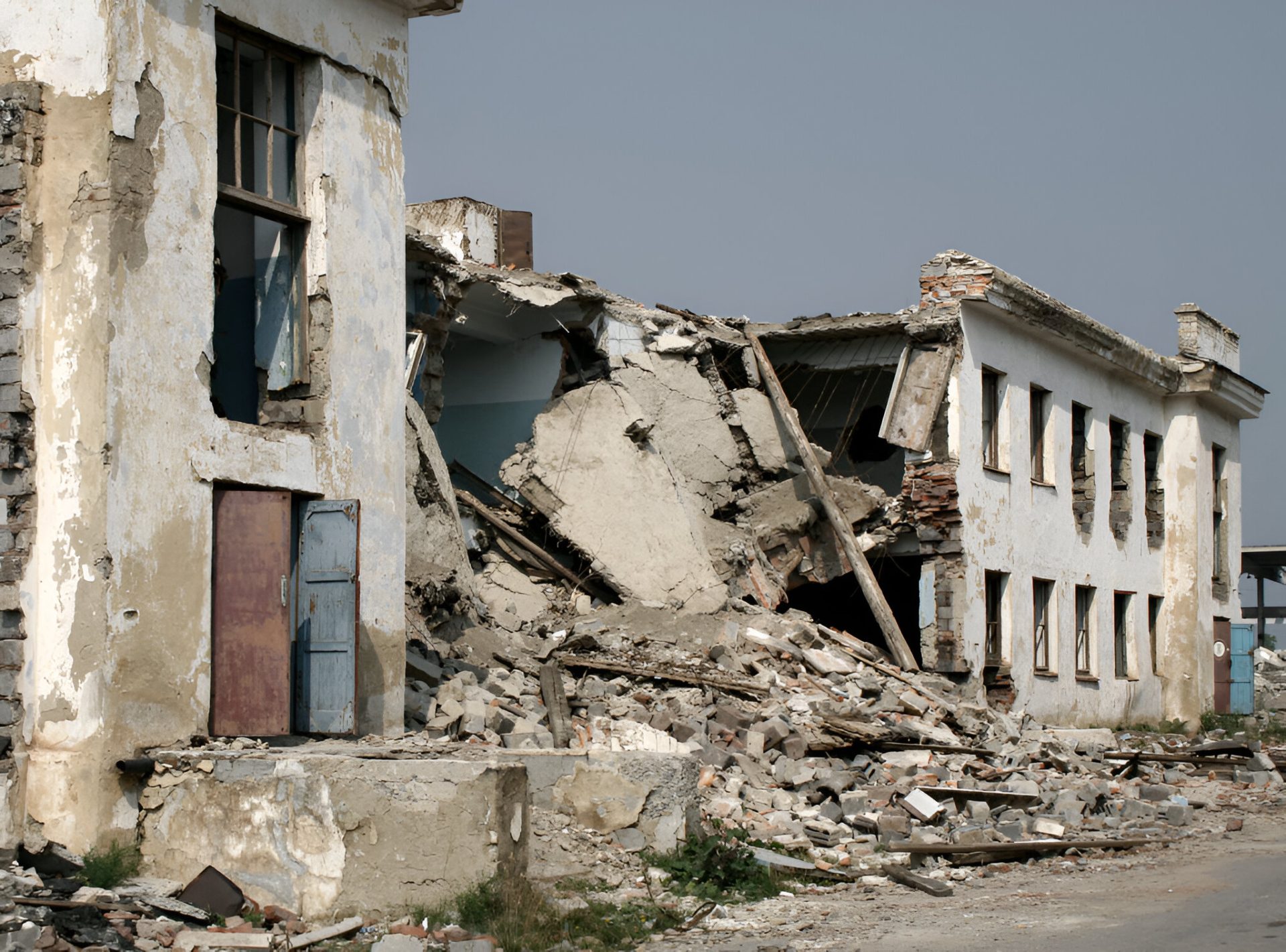
Earthquakes can cause a wide range of damage to buildings, depending on their intensity, the soil type, and construction quality. Knowing the types of earthquake damage and how to address them is crucial for property owners. This guide explains the most common damages caused by earthquakes and how to ensure your home or condo remains safe.
Structural vs. Cosmetic Earthquake Damage
Earthquake damage falls into two main categories: structural and cosmetic.
Structural Damage involves the failure or cracking of load-bearing walls, beams, columns, or foundations. It can lead to partial or complete building collapse, particularly in older or poorly maintained structures, and requires immediate inspection and repair by a structural engineer.
Cosmetic Damage affects the appearance but not the safety of the building. It includes chipped paint, minor plaster cracks, or broken tiles. Cosmetic damage can sometimes indicate deeper underlying issues, so monitoring is important.
Common Types of Earthquake-Induced Cracks
Cracks are one of the most common signs of earthquake damage. Understanding their types can help you identify serious issues early.
Horizontal Cracks appear side-to-side along walls, often near the ceiling or foundation. They indicate lateral pressure from soil movement or foundation shifting and should always be inspected by a professional.
Vertical Cracks run straight up and down walls. They are usually less serious but should be monitored if they widen after an earthquake.
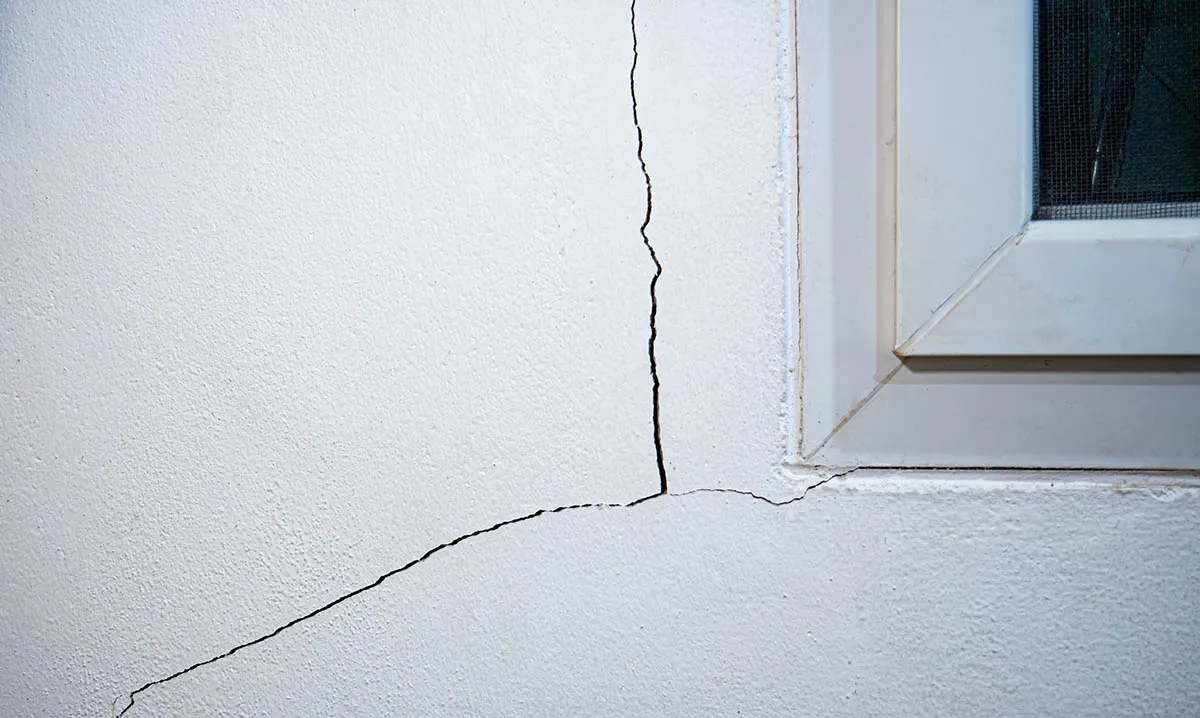
Diagonal Cracks run at a 30–60° angle, often near windows or doors. They suggest shear stress or foundation movement.
Stair-Step Cracks zigzag along mortar joints in brick or block walls. They indicate uneven settlement or shifting foundations and require professional evaluation.

When to Be Concerned About Earthquake Damage
While small hairline cracks are often harmless, certain warning signs suggest structural problems: cracks wider than 1/8 inch, new cracks appearing after an earthquake, doors or windows sticking or failing to close properly, and uneven floors or visible sloping. These signs may indicate that the building has shifted and requires professional assessment.

Preventive Measures and Retrofitting
To protect your home from future earthquake damage, consider seismic retrofitting to strengthen existing structures, anchor walls to foundations, reinforce joints and connections, and use flexible materials that allow the building to absorb shock safely.
Conclusion
Understanding the types of earthquake damage is essential for the safety of your family and the longevity of your property. If your home or condo in Bangkok shows signs of damage after an earthquake, it’s best to consult a professional immediately. Contact Renovations Bangkok today for a professional inspection and reliable repair solutions. We help homeowners and condo owners ensure their properties are safe, strong, and ready for any seismic activity.