Planning for retiring in Bangkok involves more than just choosing the perfect location or envisioning leisurely days ahead. It also entails considering practical aspects, such as accessibility renovations for your home. These modifications are not merely about aesthetics; they are about ensuring that your living space has what you need as you age, especially if you face disabilities or mobility challenges.

Adapting to Disability
Such renovations are vital for individuals preparing for retirement. These modifications aim to adapt homes to accommodate various disabilities or mobility issues, thereby promoting independence, safety, and overall well-being.
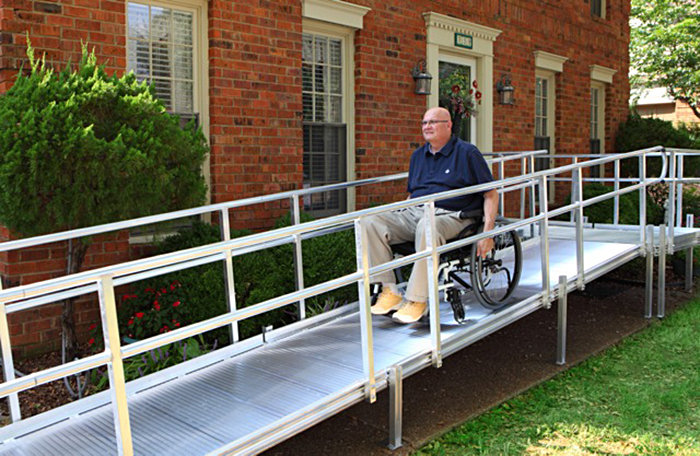
One of the key aspects of accessibility renovation is creating ramps. Ramps provide easy access for individuals using mobility aids like wheelchairs or walkers, eliminating the barriers posed by stairs. By incorporating ramps into your home design, you can navigate your space with ease and confidence, regardless of any mobility limitations.
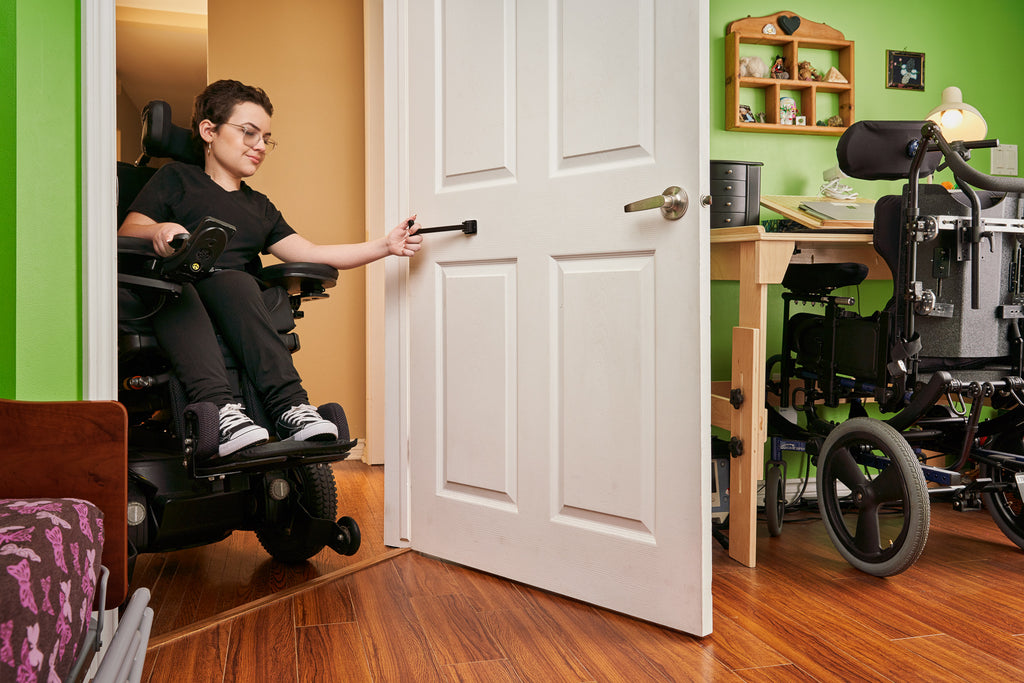
Additionally, retirement renovation may involve modifying doorways to accommodate wheelchairs or mobility scooters. Wider doorways allow for seamless movement between rooms, enhancing accessibility and ensuring that every area of your home is easily reachable.
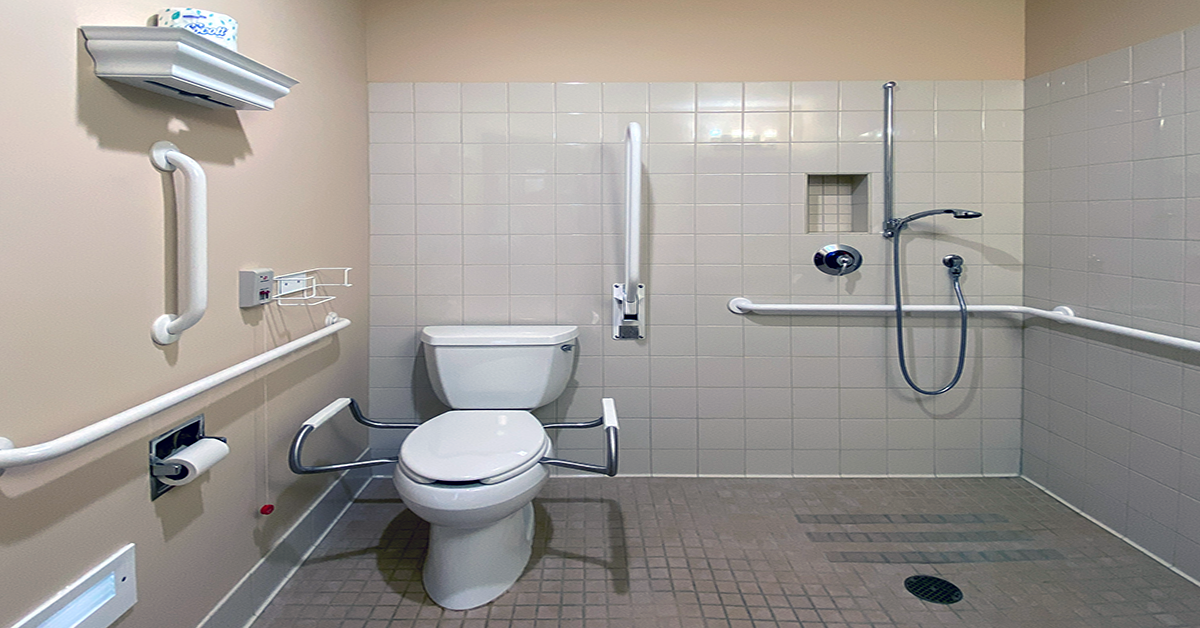
Moreover, installing grab bars in bathrooms and other essential areas can significantly improve safety, reducing the risk of slips and falls. Strategically placed emergency buttons are also a good idea should you need help.
Easy-to-Reach Items
Another crucial aspect of accessibility renovation is the installation of easy-to-reach cabinets and fixtures. By placing cabinets, shelves, and appliances at accessible heights, individuals with disabilities can maintain their independence in daily tasks such as cooking, cleaning, and organizing. These adjustments promote autonomy and comfort, enabling retirees to continue living in their homes with dignity and convenience.
Furthermore, incorporating features such as lever-style door handles and faucets can make a significant difference for individuals with limited dexterity or strength. These ergonomic designs require less effort to operate compared to traditional knobs, enhancing usability and minimizing physical strain. Such thoughtful details contribute to creating a home environment that is both functional and inclusive.
Make the Most of Technology
Beyond physical modifications, accessibility renovation may also involve technological advancements to enhance convenience and safety. Smart home technologies, such as voice-activated assistants, automated lighting systems, and remote-controlled appliances, can empower individuals with disabilities to control their environment more effectively. These innovations promote greater independence and facilitate ageing in place by providing assistance with everyday tasks.

Investing in accessibility before retirement offers numerous benefits beyond immediate practicality. By proactively addressing accessibility concerns, individuals can future-proof their homes, allowing them to age in place comfortably and safely. Moreover, renovations increase the resale value of a property, making it a wise investment for the long term.
Conclusion
If your years are advancing and you are preparing for retirement, it makes sense to consider renovating your home accordingly. Not only should your retirement be comfortable and have all the appliances you need, but it should also help the infirm remain more independent and safer.
If you have any questions regarding renovating your home to improve accessibility, get in touch with the team at Renavations Bangkok. We look forward to hearing from you and helping however we can.